


CDC research shows treatments effective against DRC Ebola strain
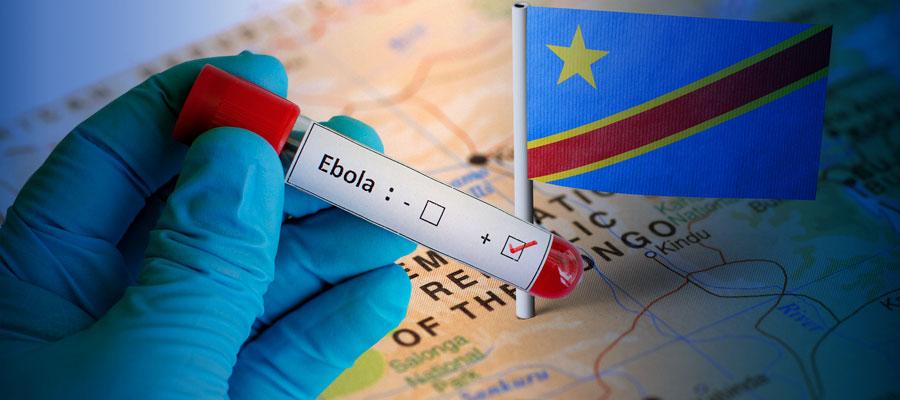
Two investigational Ebola treatments being used in the ongoing outbreak in the Democratic Republic of the Congo are effective in laboratory studies, according to new Centers for Disease Control and Prevention research. The treatments — the antiviral remdesivir and antibodies in the ZMapp treatment — blocked growth of the virus strain causing the outbreak in human cells in the laboratory. The research suggests these treatments hold promise for allowing patients to recover from the deadly illness. The research was published yesterday in Lancet Infectious Diseases. The study also shows that the lab test most often used in the DRC and neighboring countries to diagnose Ebola — which was developed during the 2014-2016 West Africa outbreak for use against a different strain of Ebola virus — appears to be accurate for the outbreak strain now circulating in DRC.